
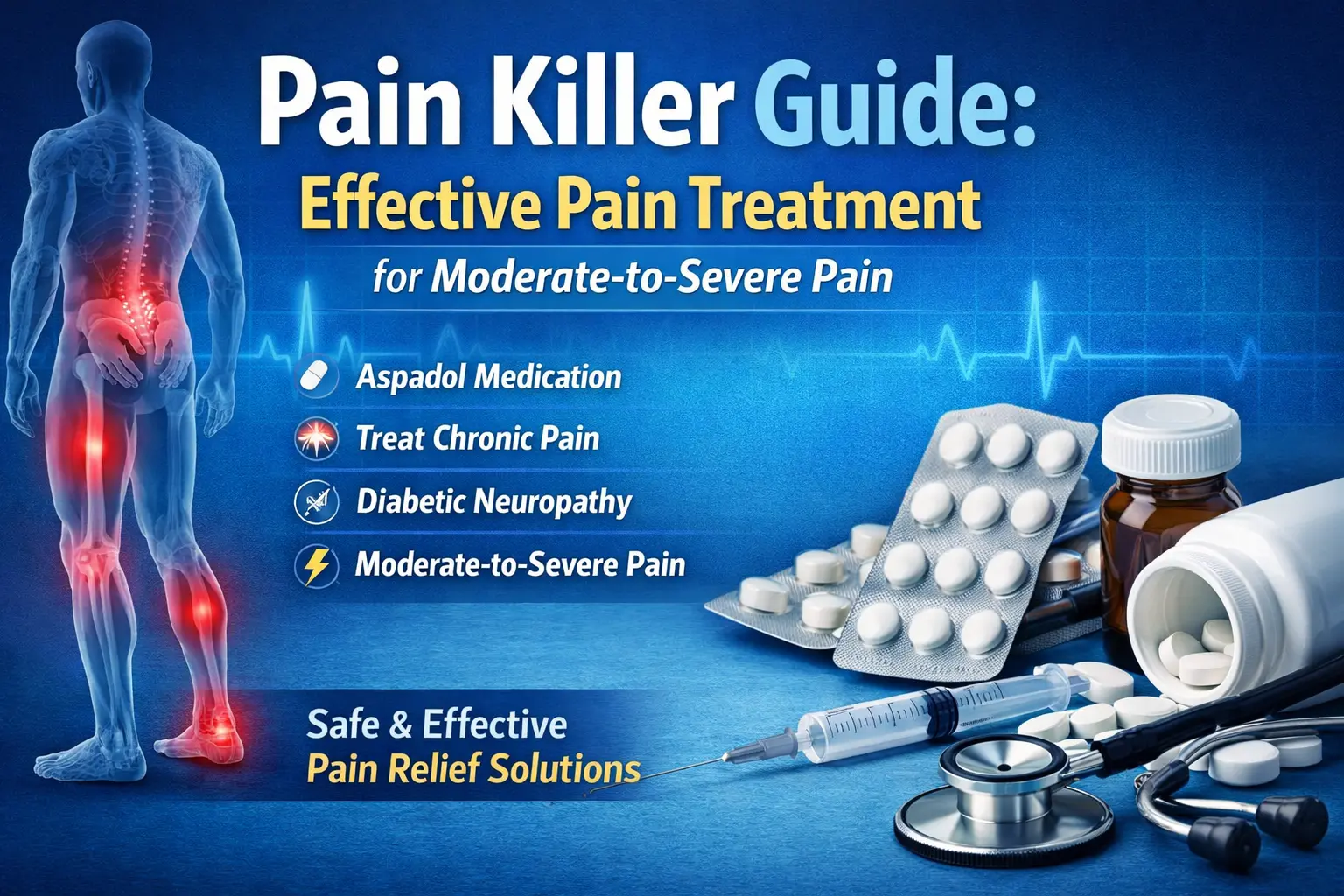
Pain is one of the most common health problems experienced by people worldwide. Whether it is caused by an injury, surgery, chronic illness, or nerve damage, pain can significantly affect a person’s quality of life. Many individuals search for effective pain killer medications and reliable pain treatment options to manage discomfort and regain control of their daily routines.
From mild headaches to moderate-to-severe pain, proper pain management plays a critical role in improving overall health. Modern medicine has introduced several advanced treatment options and medications designed to treat chronic pain, reduce inflammation, and improve mobility.
In this comprehensive guide, we will explore the role of pain killer medicines, discuss how medications like Aspadol work, and explain various strategies used by healthcare professionals to manage conditions such as diabetic neuropathy and other chronic pain disorders.
Understanding Pain and Its Types
Pain is the body’s natural response to injury, illness, or inflammation. It acts as a warning signal that something is wrong in the body.
Pain can generally be categorized into two main types:
Acute Pain
Acute pain appears suddenly and is usually linked to a specific injury or medical condition. Examples include:
-
Muscle injuries
-
Post-surgical pain
-
Dental pain
-
Broken bones
Acute pain usually disappears once the underlying cause is treated.
Chronic Pain
Chronic pain lasts for months or even years. It may continue even after the original injury has healed. This type of pain often requires specialized pain treatment and long-term management strategies.
Common examples of chronic pain include:
-
Arthritis pain
-
Lower back pain
-
Fibromyalgia
-
Diabetic neuropathy
-
Nerve damage
People suffering from chronic pain often require stronger pain killer medications to maintain a functional and comfortable life.
Why Pain Management Is Important
Pain that is not properly treated can lead to several serious complications, including:
-
Sleep disturbances
-
Reduced physical activity
-
Mental health issues such as anxiety and depression
-
Lower productivity
-
Reduced quality of life
Proper pain treatment helps patients regain mobility, improve sleep, and maintain emotional well-being.
Healthcare providers use a combination of medication, lifestyle adjustments, and therapy to treat chronic pain effectively.
What Is a Pain Killer?
A pain killer is a medication used to relieve or reduce pain. These medicines work by targeting pain signals in the body or reducing inflammation that causes discomfort.
Pain killer medications are typically categorized into several groups:
1. Non-Opioid Pain Killers
These medications are commonly used for mild to moderate pain.
Examples include:
-
Acetaminophen
-
Ibuprofen
-
Aspirin
They are often recommended for headaches, muscle pain, and minor injuries.
2. Opioid Pain Killers
Opioids are stronger medications used to treat moderate-to-severe pain that cannot be controlled with standard medications.
These medicines work by interacting with pain receptors in the brain and spinal cord to reduce pain signals.
3. Nerve Pain Medications
Certain drugs are specifically designed to treat nerve-related pain conditions such as diabetic neuropathy.
These medications help calm overactive nerve signals that cause burning, tingling, or stabbing sensations.
Aspadol: A Modern Pain Treatment Option
One of the medications often used for moderate-to-severe pain management is Aspadol.
Aspadol contains Tapentadol, an analgesic medication that works through a dual-action mechanism.
How Aspadol Works
Aspadol helps reduce pain through two main actions:
-
Opioid receptor activation – It blocks pain signals in the brain.
-
Norepinephrine reuptake inhibition – It enhances pain control by increasing certain neurotransmitters.
This combination makes it effective for treating various types of severe pain.
Conditions Treated with Aspadol
Aspadol is commonly prescribed for:
-
Moderate-to-severe pain
-
Nerve pain conditions
-
Post-surgical pain
-
Musculoskeletal pain
-
Diabetic neuropathy
Due to its strong pain-relieving properties, it is usually recommended when other pain killer medications are not effective.
Pain Treatment for Chronic Pain Conditions
Chronic pain requires a long-term treatment approach that may include medication, therapy, and lifestyle adjustments.
Healthcare providers may use several strategies to treat chronic pain, including:
Medication Therapy
Doctors may prescribe a combination of medications such as:
-
Anti-inflammatory drugs
-
Muscle relaxants
-
Nerve pain medications
-
Opioid pain killers like Aspadol
Physical Therapy
Physical therapy can help strengthen muscles, improve flexibility, and reduce pressure on painful areas.
Common therapies include:
-
Stretching exercises
-
Strength training
-
Posture correction
Behavioral Therapy
Chronic pain often affects emotional health. Cognitive behavioral therapy can help patients cope with long-term pain.
Lifestyle Modifications
Lifestyle changes play a major role in pain management. These may include:
-
Regular exercise
-
Balanced diet
-
Stress reduction
-
Adequate sleep
Treating Diabetic Neuropathy Pain
Diabetic neuropathy is a nerve damage condition caused by long-term high blood sugar levels.
This condition often leads to:
-
Burning sensations
-
Tingling in the hands and feet
-
Sharp or stabbing pain
-
Muscle weakness
Managing diabetic neuropathy requires both blood sugar control and targeted pain treatment.
Pain Management Options
Doctors may recommend:
-
Nerve pain medications
-
Antidepressants
-
Anti-seizure drugs
-
Stronger pain killer medicines for severe symptoms
In some cases, medications like Aspadol may be prescribed to manage persistent nerve pain.
Benefits of Proper Pain Treatment
Effective pain management provides several benefits:
Improved Quality of Life
Reducing pain allows individuals to return to normal activities and maintain independence.
Better Sleep
Pain relief helps improve sleep quality and overall recovery.
Enhanced Mobility
Patients can move more comfortably and perform daily tasks without discomfort.
Emotional Well-Being
Chronic pain often leads to stress and depression. Proper treatment improves mental health and emotional stability.
Safety Considerations When Using Pain Killers
Although pain killer medications are highly effective, they should always be used responsibly.
Important safety guidelines include:
Follow Medical Advice
Always take medication exactly as prescribed by a healthcare professional.
Avoid Self-Medication
Using strong pain killers without medical supervision can lead to serious side effects.
Monitor Side Effects
Some medications may cause:
-
Drowsiness
-
Nausea
-
Constipation
-
Dizziness
Patients should immediately report unusual symptoms to their doctor.
Natural Methods to Support Pain Treatment
In addition to medication, natural approaches can help improve pain management.
Exercise
Low-impact exercises such as walking, yoga, and swimming can reduce muscle stiffness and improve circulation.
Heat and Cold Therapy
Heat helps relax muscles, while cold therapy reduces inflammation.
Healthy Diet
Foods rich in antioxidants and omega-3 fatty acids may help reduce inflammation.
Stress Management
Meditation, breathing exercises, and relaxation techniques can reduce pain perception.
When to Seek Medical Help for Pain
People should consult a healthcare professional if they experience:
-
Persistent pain lasting more than a few weeks
-
Severe moderate-to-severe pain
-
Pain interfering with sleep or daily activities
-
Numbness or nerve-related symptoms
Early diagnosis allows doctors to create an effective pain treatment plan before the condition worsens.
The Future of Pain Management
Medical research continues to improve the way pain is treated. Scientists are developing new medications and therapies designed to provide stronger relief with fewer side effects.
Innovations in pain killer medications, nerve treatments, and regenerative therapies may transform how chronic pain conditions are managed in the future.
These advancements aim to provide safer and more personalized pain management solutions for millions of people worldwide.
Conclusion
Pain can affect every aspect of life, from physical mobility to emotional health. Fortunately, modern medicine offers several effective solutions to manage discomfort and improve well-being.
Understanding how pain killer medications work and exploring available pain treatment options can help individuals find relief from conditions such as moderate-to-severe pain, chronic pain, and diabetic neuropathy.
Medications like Aspadol provide powerful relief for patients suffering from severe pain conditions when prescribed and used responsibly. However, pain management should always involve a balanced approach that includes medical guidance, lifestyle adjustments, and supportive therapies.
By combining the right treatment strategies, individuals can successfully treat chronic pain, restore daily functionality, and enjoy a healthier, more comfortable life.

Leave a Reply